Magyarázó
Amihez harmadik fél alkalmazás nem képes
Bármelyik alkalmazásban megtervezheti az utazását. Az utolsó néhány kilométer a gyors töltő előtt a járműhöz tartozik, és ez nem preferencia.
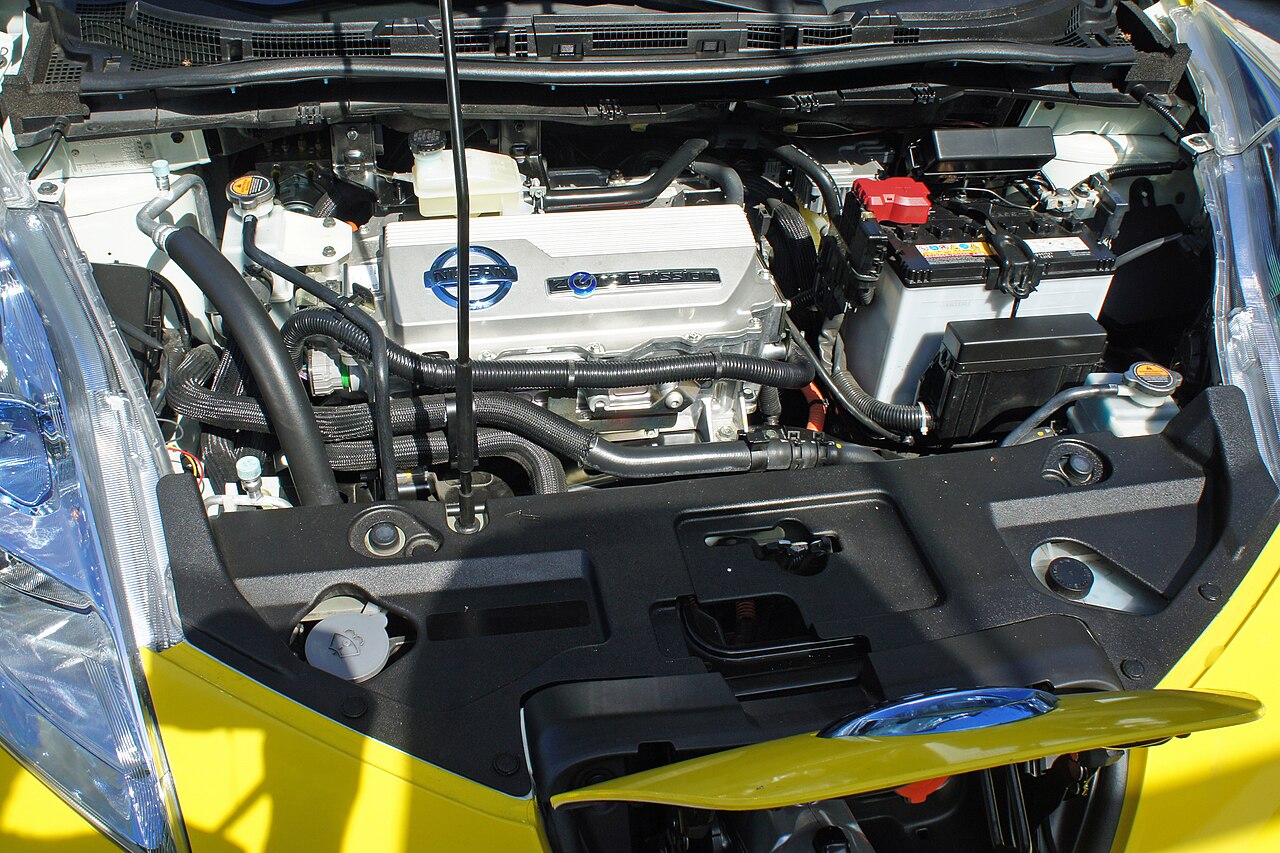

Miért töltődik lassan a hideg akkumulátor
A töltési elfogadás hőmérsékletfüggő, és az akkumulátor-kezelő rendszerek korlátozzák az áramot alacsony hőmérsékleten, hogy elkerüljék a lítium leülepedést és a következő állandó kapacitásvesztést [2]. A határérték védő és helyes; ez a különbség a 20 perces és a 40 perces megálló között.
Hideg akkumulátorral érkezni egy 350 kW-os töltőhöz és 50 kW-ot lehúzni gyakori és alaposan demoralizáló élmény, és ez nem a töltő hibája.
Mit csinál a pre-kondicionálás
Amikor a jármű tudja, hogy egy gyors töltő a következő célállomás, fel tudja melegíteni az akkumulátort a megközelítés során, hogy készen álljon a teljes teljesítmény elfogadására. A fűtésre fordított energia többszörösen megtérül a csökkentett töltési időben, és a hatás a legnagyobb pontosan azokban a körülmények között, amikor a hatótávolság már a legszűkebb.
Miért nem tudja ezt a kedvenc alkalmazása
A pre-kondicionálás aktiválása a jármű hőmérsékleti rendszerének vezérlését jelenti. Ez egy vezérlési funkció, nem adatfunkció, és a gyártók általában nem teszik ezt elérhetővé harmadik felek számára. Egy tervező tudhatja, hogy töltő közeledik, de semmit sem tehet az akkumulátor hőmérsékletével kapcsolatban.
A kivételek szűkek és pontosan érdemes tudni, amit a képesség táblázat rögzít: a jármű saját navigációja ezt natívan végzi, és egy kis számú gyártói integráció kiterjeszti ezt egy első fél térképes alkalmazásra bizonyos modelleken.
A módszer, amely bevált
Tervezze meg a napot abban az eszközben, amelyik a legjobban modellezi az autóját és az időjárást. Ezután minden gyorstöltőhöz vezető utolsó szakaszon állítsa be a célt az autó saját navigációjában, hogy az felmelegíthesse az akkumulátorcsomagot. Ez esetlen, és megállónként harminc másodpercébe kerül, hideg időben viszont ez a legértékesebb dolog, amit tehet.
_Dresdner_Tor.jpg)
Related reading
References
Every citation below links to the original peer-reviewed record on PubMed or via DOI. Nothing here is a substitute for medical advice.
-
Electric Vehicle (EV) Review: Bibliometric Analysis of Electric Vehicle Trend, Policy, Lithium-Ion Battery, Battery Management, Charging Infrastructure, Smart Charging, and Electric Vehicle-to-Everything (V2X) Veza I, Syaifuddin M, Idris M, et al. · Energies · 2024 · Journal article DOI
-
Effect of Low Temperature on Electric Vehicle Range Steinstraeter M, Heinrich T, Lienkamp M · World Electric Vehicle Journal · 2021 · Journal article DOI
-
Analysis of Heating System Impacts on Battery Electric Vehicle Operation at Cold Temperatures Humphries K, Loiselle-Lapointe A · World Electric Vehicle Journal · 2026 · Journal article DOI
-
Revisiting Electric Mobility: How Individual Perceived Value Shapes Battery Electric Vehicle Adoption—Insights into Technophilia, Range Anxiety, and Battery Cost in China Jia H, Zhao H, Uchiyama Y · World Electric Vehicle Journal · 2026 · Journal article DOI
-
Dynamic User Equilibrium for Electric Vehicle Departure Time and Path–Charging Choices with Wireless and Fast Charging Services Zhang X, Ren H · World Electric Vehicle Journal · 2026 · Journal article DOI
-
Model Predictive Control Using an Artificial Neural Network for Fast-Charging Lithium-Ion Batteries Jaguemont J, Darwiche A, Bardé F · World Electric Vehicle Journal · 2025 · Journal article DOI
-
Fast-Charging Model of Lithium Polymer Cells Jaguemont J, Bardé F · World Electric Vehicle Journal · 2025 · Journal article DOI
-
Energy Consumption and Efficiency Analysis of Electric Vehicle Battery Heating Strategy Li J · Journal of Safety Science and Engineering · 2025 · Journal article DOI
-
Comparison of EV Fast Charging Protocols and Impact of Sinusoidal Half-Wave Fast Charging Methods on Lithium-Ion Cells Althurthi S, Rajashekara K, Debnath T · World Electric Vehicle Journal · 2024 · Journal article DOI
-
An Implementation of Quasi-Newton Algorithm for Fast-charging Lithium-Ion Battery (LIB) Optimization in Electric Vehicle Application Anjarani M, Raharya N · International Journal of Electrical, Computer, and Biomedical Engineering · 2024 · Journal article DOI
-
Extreme cold‐weather battery thermal management for optimal electric vehicle performance Ruhatiya C, Gandra R, Kondaiah P, et al. · Energy Storage · 2023 · Journal article DOI
-
End-to-End Direct-Current-Based Extreme Fast Electric Vehicle Charging Infrastructure Using Lithium-Ion Battery Storage Powar V, Singh R · Batteries · 2023 · Journal article DOI
-
Fuzzy Logic Control of External Heating System for Electric Vehicle Batteries at Low Temperature Zhang S, Li T, Chen L · World Electric Vehicle Journal · 2023 · Journal article DOI
-
Investigation of the Liquid Cooling and Heating of a Lithium-Ion Battery Package for an Electric Vehicle Wang D, Xie J · World Electric Vehicle Journal · 2023 · Journal article DOI
-
Advancements in Electric Vehicle Charging Infrastructure: Fast Charging, Wireless Charging, and Smart Grid Integration Jordan Y. Arpilleda · International Journal of Advanced Research in Science, Communication and Technology · 2023 · Journal article DOI
-
Optimizing Electric Vehicle Battery Performance: Comprehensive Study of Battery Heating Challenges and Sustainable Battery Swapping System Ramya P, Nagesh R, Murugesh Dodakundi · Tuijin Jishu/Journal of Propulsion Technology · 2023 · Journal article DOI
-
The Revealed Preference for Battery Electric Vehicle Range Fridstrøm L, Østli V · Findings · 2022 · Journal article DOI
-
Novel Hybrid Thermal Management System for High-Power Lithium-Ion Module for Electric Vehicles: Fast Charging Applications Karimi D, Behi H, Van Mierlo J, et al. · World Electric Vehicle Journal · 2022 · Journal article DOI
-
Heating Detection and Temperature Control Method of Power Lithium Battery in Pure Electric Vehicle Et al. G · CONVERTER · 2021 · Journal article DOI
-
TEKNIK FAST CHARGING BATERAI LITHIUM-ION MENGGUNAKAN LOGIKA FUZZY Anshori A, Siswojo B, Hasanah R · Jurnal Ecotipe (Electronic, Control, Telecommunication, Information, and Power Engineering) · 2020 · Journal article DOI
-
Intelligent Hydrogen Fuel Cell Range Extender for Battery Electric Vehicles Wu D, Ren J, Davies H, et al. · World Electric Vehicle Journal · 2019 · Journal article DOI
-
Scaling Trends of Electric Vehicle Performance: Driving Range, Fuel Economy, Peak Power Output, and Temperature Effect Jung H, Silva R, Han M · World Electric Vehicle Journal · 2018 · Journal article DOI
-
Bottlenecks to Fast Charging of Lithium-Ion-Insertion Cells for Electric Vehicles Chandrasekaran R · ECS Transactions · 2014 · Journal article DOI
-
Bottlenecks to Fast Charging of Lithium-Ion-Insertion Cells for Electric Vehicles Chandrasekaran R · ECS Meeting Abstracts · 2013 · Journal article DOI
-
Fast Charging Method Based on Estimation of Ion Concentrations using a Reduced Order of Electrochemical Thermal Model for Lithium Ion Polymer Battery Choe S, Li X, Xiao M · World Electric Vehicle Journal · 2013 · Journal article DOI